

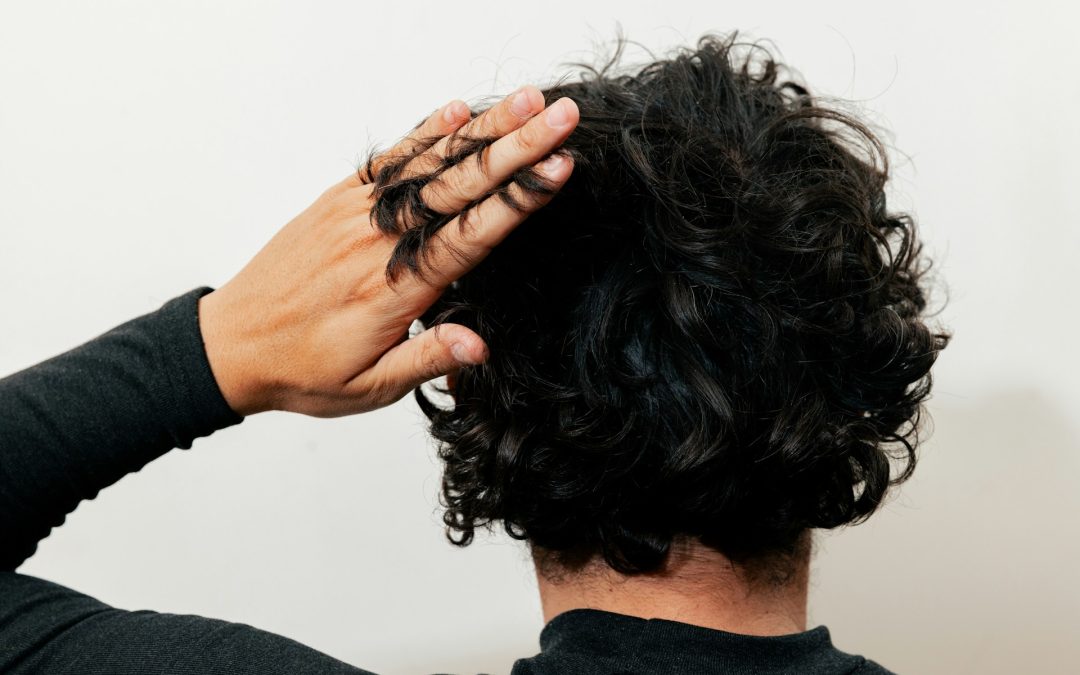
Early Hair Loss vs. Normal Shedding in Toronto Men
Noticing more hair in the shower or on your pillow can feel stressful. Is it the start of ongoing hair loss, or is your body going through a normal shedding phase? For many Toronto men, this question shows up around spring and fall, when hair changes can seem more obvious.
This article offers general information about normal shedding, early male pattern hair loss, and when it may be appropriate to seek a medical assessment. It is not medical advice and is not meant to help you diagnose yourself. For diagnosis or treatment, it is important to speak directly with a qualified health professional who is licensed and regulated in your province (for example, physicians in Ontario are regulated by the College of Physicians and Surgeons of Ontario, CPSO).
Spotting the Difference: Shedding or Early Hair Loss
It is common to see more loose hairs in spring and fall. Just as animals can shed more with changing daylight, human hair growth cycles can shift with the seasons. A small bump in hair fall for a few weeks can be within the range of normal.
At home, most men can see only a few basic things:
- How much hair shows up on the pillow, brush, or in the shower
- Whether the hairline looks different in photos
- How the scalp looks under bright bathroom lighting
Normal shedding usually means that hairs are falling, but new hairs are also growing in to replace them. Early male pattern hair loss can be different. Over time, follicles may produce thinner and shorter hairs, and the overall density can slowly drop.
It is generally not possible to be sure of the cause of hair changes just by looking in the mirror. What you can do is notice patterns, then decide if it may be appropriate to seek a professional medical opinion.
What Normal Hair Shedding Really Looks Like
Most people lose a noticeable number of hairs every day. That is part of the normal growth cycle, where some hairs grow, while other hairs rest and shed. There is no single perfect number, and it can vary from person to person. So seeing loose hairs on your hands or in the shower is not, on its own, a sign that you are going bald.
Normal, non-worrying shedding often shows up in situations like:
- A few weeks of extra hair in the shower drain during spring or fall
- Slightly more hair after a very stressful period at work
- Some extra shedding when you change your workout, diet, or sleep pattern
There are also red flags that can still be temporary but are worth watching:
- Increased shedding for several weeks after an illness
- More hair fallout after significant weight loss
- Noticeable hair changes after a major life event, such as a breakup or job loss
In these cases, the key is to look at the pattern over time. One heavy shedding day does not tell the whole story. If things settle down after a month or two, it may have been a normal response to stress on the body. If shedding continues or worsens, speaking with a health professional is advisable.
Early Clues You May Be Losing Hair Long-Term
Early male pattern hair loss often develops gradually. You may not see clumps of hair coming out. Instead, you may notice:
- thinning at the crown that shows up in photos or under overhead lighting
- a hairline that has crept back at the temples compared to old selfies
- a wider part line when hair is styled the same way as before
- overall less density when you run your fingers through your hair
Another key concept is miniaturization. This happens when hair follicles start producing finer, lighter, and shorter hairs over many cycles. The hairs are not just falling; they are also changing in texture and diameter. Over time, this can make the scalp more visible, and the hair look less full, even if you are not seeing large amounts of hair in your hands.
Factors that can increase the likelihood of male pattern hair loss:
- Family history of hair loss on either side of the family
- Increasing age, especially from the 20s onward
- Certain medical conditions or prescription medications
- Lifestyle factors like smoking, heavy alcohol intake, or long-term unmanaged stress
If you notice more shedding as well as visible thinning in specific areas, that can be a sign that a medical assessment may be helpful.
When Toronto Men Should Consider a Medical Checkup
There are times when waiting and watching may not be the best approach. A medical checkup is worth considering if you notice:
- rapid hair loss over a short period of time
- patchy bald spots, rather than even thinning
- scalp symptoms like itching, burning, scaling, or acne-like bumps
- hair loss occurring along with fatigue, weight change, low mood, or sexual health changes
Hair loss is sometimes the body’s way of indicating that another health issue may be present. Conditions related to thyroid function, nutritional balance, or hormones can all affect hair growth. These issues require appropriate testing and clinical judgment in line with Canada standards of care.
During a medical assessment with a physician or other qualified clinician regulated in your province, you can expect the following:
- A detailed medical history, including family history and lifestyle
- A review of current medications and supplements
- A scalp and hair examination under good lighting
- Possible lab work, if your clinician feels it is appropriate
The purpose of this type of visit is to understand what might be contributing to your hair changes and whether treatment, further testing, or monitoring is appropriate. Any decisions about medications or procedures should be made collaboratively with your clinician.
Evidence-Informed Options and the Role of Lifestyle and Stress
In Canada, men may be offered several broad approaches to managing hair loss, depending on their individual situation and the clinician’s judgment. These can include:
- Lifestyle measures like stress management, nutrition support, and sleep habits
- Non-prescription options that are intended to support hair and scalp health
- Medical therapies that must be assessed, prescribed (when appropriate), and monitored by a clinician
- Procedural or aesthetic approaches such as transplant procedures or non-surgical hair restoration techniques
Each approach has potential benefits, limitations, and possible side effects. No single option is right for everyone, and no treatment can be guaranteed to work in all cases. Access to specific treatments can vary by province, clinic, and individual health status. A qualified clinician can help you understand realistic expectations, safety considerations, and which options, if any, may be suitable for you.
Seasons, lifestyle, and stress also play a role. In a city like Toronto, spring can mean more outdoor activity, changing humidity, more sweating under hats, and more UV exposure on the scalp. All of these can affect how the scalp feels and how you notice your hair.
Simple, non-prescriptive steps that can support general hair and scalp health:
- Treat hair gently, avoiding very tight styles and harsh pulling
- Be cautious with frequent heat styling and strong chemical treatments
- Eat a balanced, varied diet that supports overall wellness
- Improve sleep and stress management, and limit smoking and heavy alcohol use
These measures do not replace medical care, but they can support the overall environment in which your hair grows.
Taking Control of Your Hair Health
If you are not sure whether what you see is normal shedding or early hair loss, tracking can help. Some practical ideas:
- Take clear photos of your hairline and crown in the same lighting every month
- Note dates when shedding seems heavier and what was happening in your life
Write down any new symptoms like scalp discomfort, low energy, or changes in sexual health
Sharing this information with a health professional can provide a clearer picture of what is going on and how long it has been happening.
If you are concerned about hair loss, consider booking an appointment with your primary care provider or another qualified, regulated health professional in your area. They can review your overall health, discuss possible causes, and where appropriate, outline evidence-informed options that align with Canadian medical guidelines and your personal health needs.
This article is for general information only and is not a substitute for individualized medical advice, diagnosis, or treatment. Always consult a qualified health professional for questions about your own health or before starting or changing any treatment.
Restore Your Confidence with Personalised Hair Loss Solutions
If you are ready to tackle thinning hair with a plan tailored to you, our team is here to help. Learn how our advanced male hair loss treatment options can fit your goals, lifestyle, and budget. At Sovereign Male Wellness Clinic, we take the time to understand your concerns and create a clear path forward. Have questions or want to schedule a consultation right away? Simply contact us to take the next step.

