

Hair Loss Triggers Toronto Men Rarely Talk About
Hair loss can feel simple on the surface. Many men blame their dad’s hairline or their age and leave it at that. But thinning hair is often more layered, with health, habits, and stress all playing a part. When you only focus on genetics, you might miss issues that are actually changeable.
In Toronto, a lot of men notice more hair on the shower floor when spring rolls around and the weather starts to warm. Some seasonal shedding can be normal, but it can also shine a light on other things going on in your body and lifestyle. At our physician-led, male-focused clinic, we look beyond the obvious to see what else might be affecting your scalp and overall health. This article is meant for general information only and does not constitute medical advice. Any worries about your hair or health should be discussed with a qualified health-care professional.
Stress, Sleep, and the City Lifestyle
Ongoing stress is not just “in your head.” Your body feels it too, and your hair can be part of that story. When stress stays high for a long time, it may push more hairs into a resting phase, which can lead to extra shedding later on. This is sometimes called telogen effluvium, and it can show up months after a stressful event or busy period.
Life in a big city can add fuel to the fire. Many Toronto men deal with a mix of:
- long commutes and traffic
- deadline-heavy jobs or demanding clients
- caring for kids or aging parents
- social plans that run late into the night
Poor sleep is often tied to this. Shift work, blue light from screens, and staying up late for emails or streaming can affect your sleep quality. Sleep and stress are closely linked with many hormones in the body, and changes in these hormones may be connected with changes in hair growth for some men.
Daily habits pile on as well. It is easy to fall into patterns like:
- skipping meals or grabbing fast food between meetings
- relying on energy drinks or coffee all day
- using alcohol in the evening to “unwind”
These patterns can influence your nutrition, blood sugar, and hormone balance, and your hair may respond over time. Physician-led hair loss treatment in Toronto often starts with a detailed medical and lifestyle history. Instead of focusing only on family history, we look at your stress levels, sleep habits, work schedule, and daily routine to see what might be putting extra strain on your hair.
Hidden Medical and Hormonal Factors Men Miss
Not all hair loss is simply “male pattern baldness.” Sometimes, hair thinning can be a sign that something else in your body needs attention. Certain medical issues may be linked with shedding or changes in hair texture, and they are often easy to overlook if you think only about your hairline.
Some commonly missed contributors:
- Thyroid concerns
- Low iron or other nutritional gaps
- Low vitamin D levels
- Autoimmune conditions
- Hair changes after a recent illness or surgery
Only proper assessment and testing with a health-care professional can sort out whether these are present and if they might be related to your hair.
Hormones are another big part of the picture. Testosterone and its by-product, dihydrotestosterone (DHT), can be linked with hair changes. At the same time, other hormones in the body can shift as we age or if we are under stress. Each man’s response is unique, so what affects one person’s scalp may look very different in someone else.
Because of this, trying to self-diagnose with online searches, random supplements, or unregulated products can be risky. Some pills or topical products may not be right for your health history or other medications. A comprehensive, physician-supervised approach is safer and more in line with the expectations of Canada and the College of Physicians and Surgeons of Ontario (CPSO). In a men’s health setting, a doctor can review your medical history, examine your scalp, and, when appropriate, order investigations to look at hormones, nutrients, and other health factors that could be playing a role.
Everyday Habits and Products That Sabotage Your Hair
Even if your health checks out, some daily habits might still be rough on your hair. Over time, these smaller choices can add up and make thinning more noticeable.
Physical stress on the hair is one piece. This can include:
- tight hats or caps worn for long hours
- helmets that rub the same spots every day
- hairstyles that pull on the hair shaft
These can contribute to breakage or traction-related thinning in some areas of the scalp.
Hair care practices matter too. Very hot showers, harsh shampoos, or rough towel drying can be tough on the hair shaft and scalp. Overuse of styling products, strong chemical treatments, or frequent heat styling may also affect hair quality for some men.
Supplements and diets are another area that many people do not link to hair loss. Some over-the-counter bodybuilding products, rapid weight loss programs, or restrictive diets can be associated with shedding. Unregulated online products may also contain ingredients that interact with your hormones or other medications.
When you meet with a physician about your hair, it can be helpful to bring a full list of:
- prescription medications
- over-the-counter drugs
- vitamins and supplements
- hair and grooming products you use often
This gives your doctor a clear view of what your hair and body are exposed to, instead of guessing at home with trial and error.
When Seasonal Shedding Becomes Something More
It is normal to lose some hair every day. Many men also notice a bit more shedding in certain seasons, including spring. The key is knowing when normal shedding may have shifted into something that needs a closer look.
Signs that it might be time for assessment:
- A part line that looks wider than before
- More scalp showing in photos or under direct light
- Extra hair on your pillow or in the shower over several months
- Hair that feels finer or weaker or that changes texture
Other body signals can show up at the same time. Some men notice fatigue, changes in weight, low mood, or a drop in sexual desire along with hair concerns. These can sometimes point toward broader health or hormonal issues that deserve proper medical attention.
Early assessment can help flag modifiable factors like stress, sleep, health conditions, or product use. It also gives you and your doctor more room to plan next steps before hair changes progress further. The focus should be on realistic, evidence-informed advice that fits your overall health, not on promises of quick fixes or guaranteed regrowth.
Taking the Next Step Toward Expert Assessment
If your shedding or thinning is starting to bother you, ignoring it rarely makes you feel better. Speaking with a qualified physician can help you understand what might be going on, rule out important health issues, and discuss appropriate options. For men in Toronto, a male-focused clinic can offer care that keeps your privacy and comfort in mind.
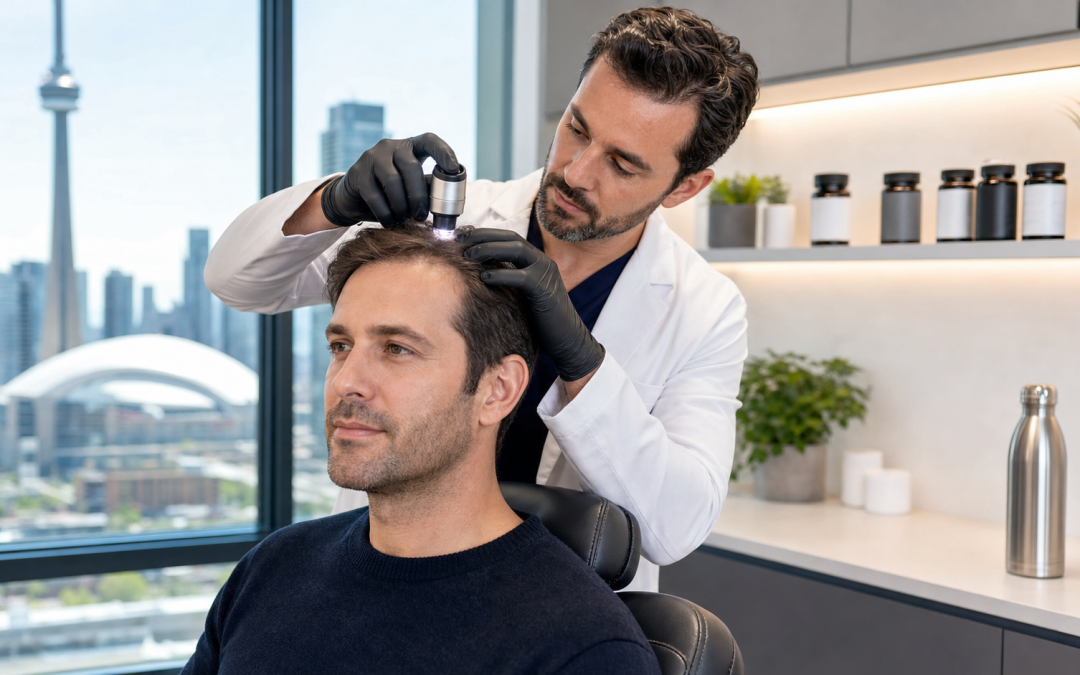
At Sovereign Male Wellness Clinic, our physician-led approach to hair loss treatment in Toronto includes time to talk about your history, a careful look at your scalp, and a discussion of medical and lifestyle factors. When suitable, we can review evidence-informed treatment options that are tailored to your goals and overall health, in line with Canada and CPSO standards of care. Many men find it helpful to have one place where they can talk openly about hair, hormones, sexual health, confidence, and appearance without judgment, and have those concerns assessed together rather than in isolation.
Take Control Of Hair Loss With Personalised Treatment Today
If you are ready to address thinning hair with a tailored, medical approach, we are here to help. At Sovereign Male Wellness Clinic, our team will assess your goals and recommend the most suitable hair loss treatment in Toronto for your needs. Book a confidential consultation today or contact us with any questions so we can guide you through your next steps.

