

HGH Therapy Decisions that Put Safety First
Human growth hormone (HGH) therapy is a medical treatment that can affect many systems in the body. It is not a quick fix or a shortcut. When adult men in Toronto ask about human growth hormone therapy, most are really asking how to feel stronger, leaner, and more like themselves again. That is understandable, but the first priority must always be safety and good medical judgement.
In Ontario, any prescription for human growth hormone must follow the guidance of the College of Physicians and Surgeons of Ontario (CPSO), Health Canada requirements, and evidence-informed practice. HGH should be used only for medically appropriate, evidence-based indications, such as confirmed adult growth hormone deficiency, and not as a general anti-aging solution or a performance booster.
This article outlines when therapy may be considered, who may be eligible, what lab work is needed, how IGF-1 (Insulin-like Growth Factor-1) targets guide care, and how safety monitoring typically works in a male-focused medical setting in Toronto.
When HGH Therapy May Be Considered for Toronto Men
For adult men, human growth hormone is usually discussed only when there is a clear medical concern, not for cosmetic reasons. One common reason is confirmed adult growth hormone deficiency, which is often related to pituitary disease or treatment such as surgery or radiation. In these cases, a specialist may consider adding replacement therapy as part of a broader hormone management plan, in alignment with Health Canada, approved indications, and CPSO expectations.
Human growth hormone should not be used simply to try to look younger, add muscle for gym performance, or speed fat loss in men who already have normal hormone levels. Before anyone talks seriously about injections, a physician in Ontario is expected to:
- complete a thorough assessment of symptoms
- rule out other causes like poor sleep, low testosterone, thyroid issues, nutrition problems, or mood disorders
- avoid any misleading promises about anti-aging or guaranteed results
An Ontario-licensed doctor also needs to review past medical and medication history, discuss the possible benefits and limits of therapy, and be clear about the current evidence, including the distinction between approved and off-label uses. For many men, the safer and more effective first focus is on sleep, stress, and other hormones rather than growth hormone itself.
Eligibility Criteria and Baseline Assessment Steps
A careful first visit sets the tone for safe care. In a male wellness-oriented medical practice, the initial assessment often includes a detailed conversation about the following:
- Energy levels, exercise tolerance, and muscle or strength changes
- Body composition concerns like increased belly fat or reduced muscle tone
- Fracture history, bone pain, or height changes
- Libido, sexual performance, and mood
- Sleep quality, snoring, and nighttime awakenings
- Past head trauma, pituitary or brain conditions, or radiation treatments
The physical exam will usually cover blood pressure, heart rate, weight, and waist circumference, along with signs of metabolic syndrome. The physician may check joints and nerves, look for swelling, and review signs that point toward other hormone problems, such as thyroid or testosterone issues.
There are also clear reasons to be cautious or to avoid starting therapy. These can include:
- uncontrolled diabetes or significant blood sugar issues
- active cancer or a recent history of certain malignancies
- serious untreated sleep apnoea
- uncontrolled cardiovascular disease
- unrealistic expectations about what growth hormone can safely do
Part of the physician’s role is to explain why human growth hormone might not be the right choice in some situations, even when symptoms are very real and troubling, and to ensure that any decision is consistent with current guidelines and regulations.
Essential Lab Work and IGF-1 Targets in Adult Men
IGF-1, or insulin-like growth factor 1, is the main blood marker used to understand how growth hormone is working in the body. IGF-1 levels change with age, so doctors interpret the results against an age-adjusted reference range rather than a single fixed number. In some men, extra testing, such as dynamic growth hormone stimulation tests, may be needed to confirm a true deficiency.
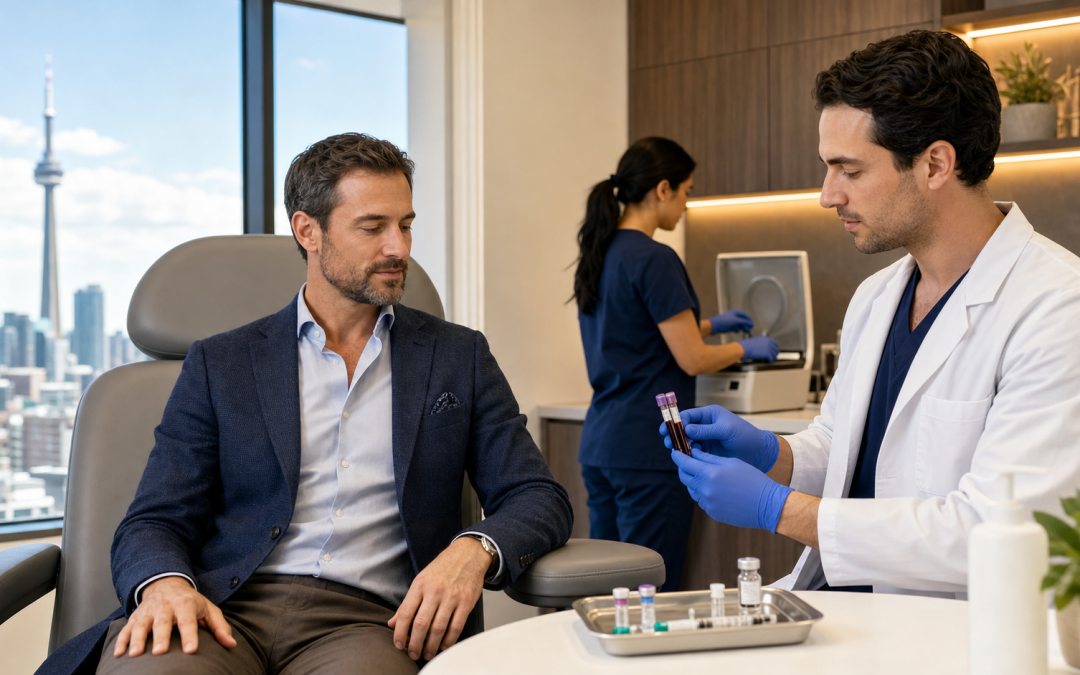
Before any decision about human growth hormone therapy, baseline blood work will often include the following:
- IGF-1 level
- Fasting glucose or HbA1c to check blood sugar control
- Fasting lipid profile, including cholesterol and triglycerides
- Thyroid function tests
- Morning cortisol, where indicated
- Liver and kidney function tests
If human growth hormone is started for an approved indication, most physicians aim to keep IGF-1 within the mid-normal range for a man’s age, not at the top of the range. Dose changes are usually slow and cautious. IGF-1 is checked again every few months at first to balance potential benefits with the risk of side effects such as swelling or joint problems.
Ongoing Safety Monitoring, Glucose and Lipids
The safe use of human growth hormone is not a “set it and forget it” process. Regular follow-ups allow the clinical team to ask how the patient feels, track body changes, and watch for early warning signs. At these visits, clinicians typically review:
- sleep patterns and snoring
- exercise and resistance training habits
- blood pressure, weight, and waist size
- any swelling, numbness, tingling, or joint discomfort
Lab monitoring does not stop once treatment begins. Periodic testing often includes IGF-1, fasting glucose or HbA1c, fasting lipids, and basic liver and kidney markers. Men with pre-diabetes, a strong family history of cardiovascular disease, or known dyslipidaemia may need closer follow-up and tighter targets.
If blood work drifts in the wrong direction or symptoms become concerning, the response may include lowering the dose, pausing treatment, or stopping completely if risks appear higher than benefits. It is also common for physicians to collaborate with primary care doctors or other specialists when blood sugar, cholesterol, or blood pressure issues show up during therapy.
Screening for Edema, Carpal Tunnel, and Other Side Effects
Many side effects from human growth hormone are related to fluid shifts and tissue growth, and tend to be dose-dependent. The most common ones include:
- peripheral edema, especially in the hands, ankles, or feet
- joint stiffness or aches, often in the knees, hips, or fingers
- headaches or a sense of pressure
- symptoms of possible carpal tunnel syndrome, like hand numbness or tingling
Clinicians watch for these problems on every visit. That means asking targeted questions, checking wrists and finger sensation, pressing on the lower legs to look for pitting edema, and asking how symptoms affect work, sleep, or training. A change in shoe size, ring tightness, or grip strength can all be clues.
When side effects show up, options can include lowering the dose, changing the timing of injections, looking for other causes such as repetitive strain or arthritis, and adding supportive measures. If symptoms are serious, persistent, or not clearly linked to the dose, stopping human growth hormone therapy may be the safest choice.
Making an Informed Decision About HGH in Ontario
Human growth hormone therapy, when it is appropriate and used for approved indications, is only one part of a broader plan for male health. It should be considered alongside strong foundations such as sleep, nutrition, resistance training, mental health support, and careful attention to other hormones such as testosterone and thyroid, where needed. No single injection replaces these basics.
Any man considering therapy should have a clear, honest discussion with an Ontario-licensed physician about risks, possible benefits, what the evidence actually shows, and what remains off-label or uncertain. The goal is to ensure that any decision about HGH therapy is informed, medically appropriate, and consistent with CPSO guidance and Health Canada regulations.
Reclaim Your Edge with Targeted Hormone Support
If you are ready to address low energy, reduced strength, or changes in body composition, our team at Sovereign Male Wellness Clinic is here to help you evaluate whether human growth hormone therapy is appropriate for your needs. We take the time to review your health history, goals, and lab work, so your plan is tailored specifically to you. To book a confidential consultation or ask questions about your options, please contact us today.

